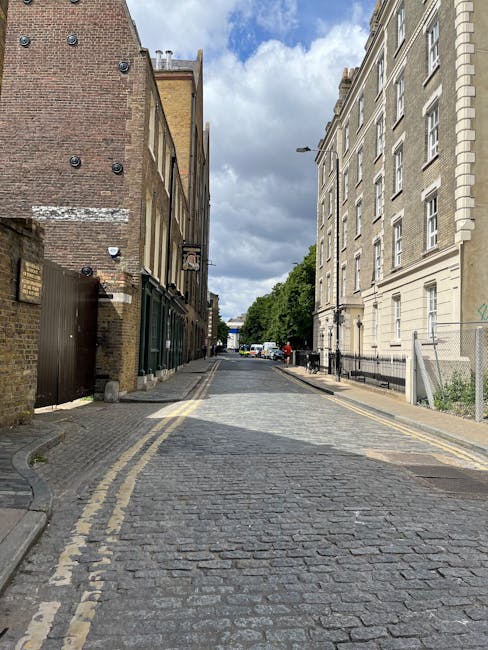
Lower Marsh flat removals guide for narrow street access
If you are planning a move around Lower Marsh, you already know the awkward part is rarely the boxes. It is the street. Narrow access, busy pavements, tight loading windows, residents coming and going, and a van that seems to grow wider the moment it reaches Waterloo. This Lower Marsh flat removals guide for narrow street access is here to make the whole process feel less like a puzzle and more like a plan.
In practical terms, a good move in this part of London depends on timing, vehicle choice, packing discipline, and a realistic view of what can be carried safely. That means thinking beyond the last lift in your flat and focusing on the full route: front door, staircase, street, parking position, and the final mile. To be fair, that is where most removals go well or go wrong.
This guide walks through the key issues, the best moving methods, and the small details that make a big difference when access is tight. You will find a clear step-by-step approach, a comparison of move types, expert tips, a checklist, and answers to the questions people usually ask when they are trying to move from a Lower Marsh flat without chaos.
Why Lower Marsh flat removals guide for narrow street access Matters
Lower Marsh sits in a part of central London where the environment itself shapes the move. Streets can be busy, sightlines are limited, and kerbside space is often at a premium. That matters because removals are not only about transport; they are about access management. If the vehicle cannot stop close enough, the move becomes slower, riskier, and more expensive.
Narrow street access changes almost everything. It affects the size of vehicle you can use, the number of crew members you may need, and the time it takes to load or unload. It also affects neighbours and passers-by. A corridor that is awkward for one person with a suitcase becomes a genuine operational issue when sofas, wardrobes, mattresses, and white goods are involved. Bit of a pain, honestly, but manageable with the right setup.
In Lower Marsh, a flat move often means balancing three things at once: protecting the building, keeping the street clear enough to work, and avoiding last-minute delays. If you underestimate any one of those, the day tends to get messy quite quickly. The good news is that most access problems can be handled before moving day if you know what to look for.
For many people, the goal is not just to move. It is to move without damaging the stairwell, blocking the road, upsetting neighbours, or paying for avoidable waiting time. That is why narrow-access planning is not an optional extra; it is the core of the job.
How Lower Marsh flat removals guide for narrow street access Works
A well-run Lower Marsh flat removal begins with an access assessment. That usually means checking where the van can legally and safely stop, how far items must be carried, whether there are turns or steps on the route, and whether any furniture needs dismantling before it leaves the property. A good mover will think in terms of the whole path, not just the front door.
Next comes vehicle matching. A large removal truck sounds efficient on paper, but on a narrow street it can be the wrong choice if it cannot park safely or turn without stress. In some cases, a smaller vehicle or a man and van style service is simply the more practical option. That is not a downgrade. It is just the right tool for the job.
The loading sequence matters too. Heavy items should be moved first, then boxed contents, then fragile pieces and anything awkwardly shaped. If the street is tight, the crew may use shorter carrying runs in batches rather than trying to clear the entire flat in one chaotic sweep. The pace becomes more controlled, which usually means fewer knocks and less stress.
For taller buildings or awkward flats, access planning may include using protective materials for walls and bannisters, temporary door protection, and clear communication with residents about movement times. Some moves also benefit from pre-arranged storage if the flat is not ready for everything to go straight in one go; the storage option can be useful when dates do not line up neatly.
In short, the process works best when each stage is planned as a sequence rather than treated as a single "move day" event. That sounds obvious, but in practice people often skip it.
Key Benefits and Practical Advantages
When narrow street access is handled properly, the benefits are bigger than people expect. The move feels calmer. Items are handled more safely. The crew can work without constant stop-start interruptions. And crucially, you are less likely to end up making expensive on-the-spot decisions.
- Less risk of damage: shorter, better-planned carries reduce the chance of scraping walls, railings, or furniture.
- Better time control: access planning helps you estimate the job more accurately and avoid unnecessary waiting.
- Improved safety: tight streets and narrow hallways are easier to manage when everyone knows the route and the order of tasks.
- Fewer surprises: you are more likely to discover issues early, not when the van is already outside and everyone is watching the clock.
- More flexible vehicle choice: you can select the right size of van or truck rather than forcing a poor fit.
There is also a quieter benefit: the move feels more human. That matters. A controlled move tends to feel respectful to the building, the neighbours, and your own sanity. And let's face it, moving day already asks enough of you.
If you are comparing services, the difference often shows in how clearly the company talks about access. Good providers discuss turning space, loading distance, lift access, parking, and furniture dimensions before they quote. If you need to check wider moving options, the site's flat removals and removal services pages are useful starting points for understanding the kinds of help available.
Who This Is For and When It Makes Sense
This guide is for anyone moving from or into a flat near Lower Marsh where the street access is not straightforward. That includes ground-floor flats with tight frontage, upper-floor flats with narrow stairs, period conversions, and modern apartments where the lift is small and the corridor turns sharply at the worst possible moment.
It is especially relevant if you are moving with bulky furniture, have limited time on move day, or need to coordinate with building management. Students, first-time renters, couples leaving a shared flat, and anyone downsizing will all benefit from a more careful approach. If the move is small and you only have a few boxes, the pressure may be lower. But even then, access can still be the thing that catches people out.
It also makes sense if you are comparing a few options and wondering whether you need a full-scale removal lorry or something lighter and faster. In narrow streets, smaller vehicles and a well-drilled crew can sometimes outperform a bigger setup simply because they spend less time fighting the space. The job is easier when the street is not working against you.
For moves that need a little more flexibility, the removal van and man with a van options can be worth considering, especially when access is the main constraint rather than the total volume of belongings.
Step-by-Step Guidance
Here is the cleanest way to approach a Lower Marsh flat removal where street access is tight. Keep it simple. Overcomplicating it is how people end up with stress before breakfast.
- Measure the awkward bits first. Check stair widths, door openings, lift dimensions, and the largest items you need to move. A sofa that seems fine in your flat may become a problem the second it reaches the landing.
- Inspect the street access. Look at where a vehicle can stop, how far it would be from the entrance, and whether there are loading restrictions, roadworks, or regular traffic bottlenecks.
- Separate the furniture into priorities. Decide what must go on the van first, what can be dismantled, and what may need to be stored or disposed of. This is where furniture removals support can save a lot of effort.
- Pack by access, not just by room. Keep the first-out items easy to reach. Tape boxes securely, label them clearly, and avoid overfilling them. Heavy books in a giant box? A classic mistake, and your back will remember it.
- Protect the route. Use coverings where needed for floors, bannisters, and door edges. Even careful people can slip when carrying something bulky.
- Confirm timing and permissions. Make sure the move fits your building rules, your parking plan, and the available time window. Small delays become large ones in tight streets.
- Load methodically. Start with the heaviest and least fragile items, then build around them with boxes and soft goods. The crew should be able to rebuild the load without guessing.
- Do a final sweep. Check cupboards, under beds, behind doors, and on balconies. It is always the tiny shelf item or charger cable that gets left behind. Always.
One useful habit: keep a small essentials bag with keys, documents, chargers, medication, snacks, and a bottle of water. You will thank yourself later, usually around the point when everyone is tired and the kettle has not yet made an appearance.
Expert Tips for Better Results
In our experience, the biggest difference on a tight-access move comes from preparation that looks almost boring on paper. That is usually a good sign.
Tip one: treat the street like part of the property. If the van cannot get close, the move behaves as though the building is larger than it is. Measure the carry distance, not just the flat.
Tip two: disassemble more than you think. Table legs, bed frames, and some shelving units are often safer when taken apart. It is rarely glamorous, but it makes the day smoother.
Tip three: use soft items as buffers. Bedding, towels, and duvets can help protect fragile items during transit. That old duvet that has seen better days? Still useful.
Tip four: communicate one clear plan. Everyone involved should know which room starts first, where the van is parked, and which items are not to be moved without checking. Mixed messages create delays, and delays are where street access becomes a headache.
Tip five: allow a little breathing room in the schedule. If there is a narrow parking window or a building with only one usable lift, do not book the day so tightly that one slow delivery ruins the whole plan. A small buffer helps a lot.
For people who want help with packing itself, the packing and boxes and packing and unpacking services pages are relevant, especially if you want your belongings organised in a way that makes loading quicker and safer.
Common Mistakes to Avoid
The biggest mistakes on narrow street removals are rarely dramatic. They are usually small assumptions that snowball.
- Booking the wrong vehicle size: too large, and it may not fit; too small, and you waste time with extra trips.
- Ignoring the carry distance: ten extra metres does not sound like much until you are doing it twenty times.
- Leaving packing to the last minute: rushed boxes are weak boxes. Simple as that.
- Forgetting to measure furniture: a wardrobe can look harmless until it meets a narrow stair corner.
- Not checking building rules: some blocks have lift booking, loading, or noise expectations that can affect the day.
- Assuming street access will be available: in central London, availability can change fast because of traffic, deliveries, or nearby works.
One of the sneaky ones is underestimating the mental load. People plan the van and forget the human side. If you are exhausted before the move even starts, decision-making gets sloppy. That is usually when a simple move becomes an annoying one.
Tools, Resources and Recommendations
You do not need fancy equipment, but the right basics make a big difference. A move with narrow access benefits from simple, sturdy tools rather than clever gadgets.
| Tool or resource | Why it helps | Best used for |
|---|---|---|
| Furniture blankets | Protects finishes during tight carries and van loading | Wardrobes, tables, mirrors, sideboards |
| Straps and ties | Stops items shifting during transport | Heavy boxes, appliances, stacked furniture |
| Marker pens and labels | Makes unloading faster and reduces confusion | Room-based box sorting |
| Measuring tape | Helps confirm stair, lift, and furniture dimensions | Access checks before move day |
| Flat-pack tools | Useful for dismantling beds, tables, and shelving | Breaking down awkward items |
| Temporary storage | Solves timing gaps between moving out and moving in | Delayed completion or phased moves |
When comparing providers, pay attention to the detail in how they talk about access and safety. A company that understands narrow street removals will usually ask the right questions before quoting. If you want a sense of broader moving support, the removals page is a sensible place to look, especially if your move needs more than just a van and a pair of hands.
And if you are moving something especially delicate, such as a piano or a heavy instrument, that is not the time for guesswork. Dedicated piano removals support exists for a reason.
Law, Compliance, Standards, or Best Practice
For a move like this, there are a few practical standards and responsibilities worth keeping in mind. Exact requirements can vary by building, local parking arrangements, and the type of vehicle being used, so it is sensible to confirm details before move day rather than relying on assumptions.
From a general UK removals perspective, best practice usually includes safe lifting, proper load securing, sensible route planning, and protecting both property and people during the move. If the move involves shared spaces, common areas, or busy pavements, the expectation is that the crew works carefully and keeps disruption to a minimum. That is not just courteous; it is the professional standard most customers expect.
Insurance and safety also matter. A mover should be clear about the way goods are handled, what precautions are taken, and how risks are managed in tight or awkward access conditions. If you are choosing between companies, you may want to read through the site's insurance and safety information as part of your due diligence.
Finally, if you have any special access needs yourself, or a household member does, it is worth planning the move around those needs as well. Not because it is complicated, just because a little thought early on saves discomfort later. The same applies to building rules and accessibility considerations. If needed, the accessibility statement provides useful background on how accessibility is approached on the site.
Options, Methods, or Comparison Table
There is no single best moving method for every Lower Marsh flat. The right choice depends on how tight the access is, how much you are moving, and whether the job needs speed, flexibility, or extra handling care.
| Method | Best for | Pros | Watch-outs |
|---|---|---|---|
| Small van move | Light to medium loads, tight access, short carry distances | Easy to position, flexible, often quicker in narrow streets | May require more organisation if you have lots of items |
| Full removal team | Larger flats, more furniture, heavier lifting | Good for complex moves and multi-room packing | Needs more space and may take longer to stage |
| Phased move with storage | Moves with date gaps or limited space at the destination | Reduces pressure on move day | Requires extra coordination |
| Same-day move | Urgent handovers or tightly timed transitions | Fast and efficient when access is already planned | Less forgiving if there are access delays |
If you are not sure which route fits your situation, compare the move size with the reality of the street rather than with what sounds impressive. In tight-access areas, smaller and sharper often beats bigger and more cumbersome. It just does.
For time-sensitive moves, the same-day removals page may be relevant. For students moving between flats, the student removals option can also be a neat fit when the load is modest and access is awkward.
Case Study or Real-World Example
Picture a common Lower Marsh scenario. A one-bedroom flat on an upper floor, a narrow stairwell, a sofa that has seen a few London addresses, and a loading area that is busy by late morning. Nothing exotic. Just the sort of move that looks straightforward until the clock starts moving faster than you are.
In a case like this, the sensible approach is usually to keep the schedule early, use a smaller vehicle positioned as close as possible, and break down any bed frames or shelving before move day. Boxes are stacked by room, fragile items are wrapped separately, and the crew takes the narrow stairs in controlled runs rather than trying to carry everything at once. The sofa may need a careful two-person turn on the landing. Everyone has seen that moment where furniture and staircase briefly become sworn enemies.
The result is usually better than people expect. The move may not be glamorous, but it feels organised. Fewer pauses. Less shouting. No frantic reshuffling on the pavement. And when the final box comes out, there is that small, satisfying silence where the flat finally feels empty. A bit odd, actually, but satisfying all the same.
If the move also involves clearing out unwanted items, a combined plan with furniture pick up can help streamline what stays and what goes. That is especially useful when you do not want to drag unnecessary items through a narrow staircase twice.
Practical Checklist
Use this checklist the day before and the morning of your move. It keeps the job tidy when your head is full of other things.
- Measure large furniture and the main access points.
- Confirm where the van can stop and how long it can stay there.
- Check for lift bookings, building rules, or quiet-hour expectations.
- Pack an essentials bag for documents, chargers, snacks, and medication.
- Label boxes by room and mark fragile items clearly.
- Dismantle beds, tables, or shelves if it will make the route easier.
- Protect floors, doors, and bannisters if needed.
- Keep keys, meter details, and any handover documents easy to find.
- Walk the property once more for drawers, cupboards, and hidden corners.
- Have water and a quick snack available. Moving is tiring work, no shame in that.
Expert summary: with narrow street access, success comes from planning the carrying route as carefully as the packing itself. If the vehicle, timing, and route all line up, the move feels much easier. If one of those slips, the whole day can wobble a bit. But only a bit, if you catch it early.
For cost planning and service comparisons, it is also sensible to review pricing and quotes before you commit, especially if the access issues could affect the time needed on site.
Get a free quote today and see how much you can save.
Conclusion
Lower Marsh flat removals with narrow street access are absolutely manageable, but they reward people who prepare properly. Measure first. Pack with purpose. Choose a vehicle that fits the street, not just the dream version of the street. And keep the route as clear and safe as possible for everyone involved.
That is really the heart of it. The move becomes easier when the access problems are treated as the main event rather than a side note. Once you do that, the whole process feels more controlled, less rushed, and far more likely to end with a clean handover instead of a headache.
If you are comparing removal options, wanting more flexibility, or simply trying to make a difficult street work on move day, take a calm look at your plan and build from there. Small adjustments early on save a lot later. Truth be told, that is often the difference between a stressful move and a surprisingly decent one.
And when the last box is inside, the kettle is on, and the street noise fades for a moment, it all feels worth it.
Frequently Asked Questions
What makes Lower Marsh flat removals tricky?
The main challenge is access. Narrow streets, limited stopping space, busy foot traffic, and tight stairways can all slow a move down. The furniture is rarely the only issue; the route in and out matters just as much.
Do I need a small van for a narrow street move?
Often, yes. A smaller vehicle can be easier to position safely and may reduce carry distance. That said, the right choice depends on how much you are moving and whether the van can stop close enough to the entrance.
How far in advance should I plan a move with narrow access?
As early as possible. Even a simple flat move benefits from advance planning when the street is tight. You need time to measure furniture, check parking, and decide whether items should be dismantled or stored.
Can a removal company help with packing as well?
Yes, and that can make a big difference. If boxes are packed properly and labelled clearly, loading is faster and the move is usually safer. Services like packing and unpacking services are helpful if you want extra support.
What if my sofa will not fit through the stairwell?
That is a common issue in older flats. The usual options are dismantling, taking a different route if one exists, or replacing the item if it genuinely cannot be moved safely. Measuring beforehand is the best defence.
Is a man and van service enough for a Lower Marsh flat move?
For smaller or medium-sized moves, it can be a very practical option. It tends to work well when access is tight and the load is manageable. For larger homes or more complex moves, a fuller removal setup may be better.
What should I do about parking on move day?
Check the street layout, loading restrictions, and any building-specific rules well ahead of time. The aim is to avoid a situation where the van arrives but has nowhere sensible to stop. That is the sort of problem that eats time fast.
Can storage help if my moving dates do not line up?
Yes. If there is a delay between leaving one property and entering the next, storage can make the move much calmer. It is also useful if you want to split the move into phases.
How do I protect the building during a narrow street removal?
Use proper padding, keep walkways clear, and handle furniture with enough people for the weight and shape of each item. Good crews protect floors, bannisters, and door frames where needed, especially in older buildings.
What is the most common mistake with narrow access moves?
Underestimating the access. People often plan the packing but forget the street, the parking, or the carry distance. In a place like Lower Marsh, that can be the difference between an easy day and a drawn-out one.
Is same-day removals suitable for this kind of move?
It can be, if the load is manageable and the access is already understood. For urgent moves, the key is to keep the job simple and avoid last-minute surprises. The same-day removals option is worth considering when speed matters more than perfect flexibility.
Where can I find help with larger or specialist items?
If you are moving unusual, heavy, or fragile items, specialist support is often the safest route. That includes things like pianos, large wardrobes, and awkward furniture that needs extra care. The right approach is always the one that gets the item moved safely, not the one that looks easiest on paper.
What should I check before booking a removal company?
Check how they handle access planning, whether they ask about vehicle size and carry distance, and how they approach safety and insurance. You want a company that thinks about the whole move, not just the transport leg.